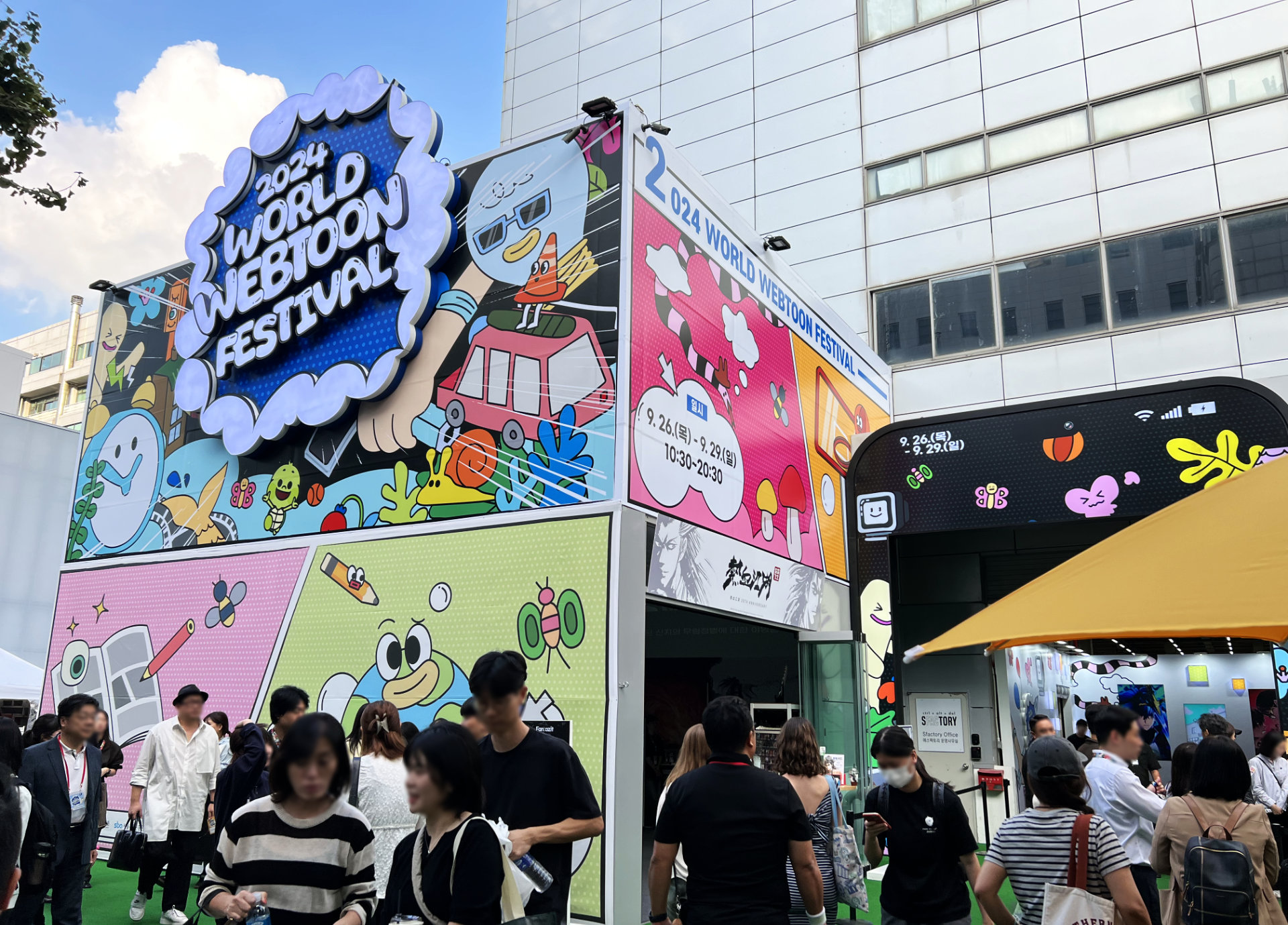
The inaugural World Webtoon Festival opened its doors in Seoul last fall, in the fashionable neighborhood of Seongsu-dong from the 26th to the 29th of September 2024. Collaboratively organized/hosted by four major government bodies—the Ministry of Culture, Sports, and Tourism, the Seoul Metropolitan Government, the Korea Creative Content Agency (KOCCA), and the Seoul Business Agency—the event was devoted to promoting webtoons as a unique medium and profitable enterprise. In this context, webtoons refer to vertically-scrolling comics that are optimized for smartphones and usually serialized through apps that paywall new releases for a short time. To boost the medium, the festival hosted lavish merch pavilions from popular Korean webtoons, tech demos from local tech giants Kakao and Naver, talks by industry professionals, and the newly-minted World Webtoons Awards.
The festival is meant to be an prestigious global event for the webtoon medium, with government spokespeople calling it the Cannes Film Festival but for webtoons. Yet despite its broad offering and wide array of backers, the first year of the festival fell short of its purported international goals. Operationally, the event was conducted almost entirely in Korean (there wasn’t even a basic English language website), and aside from a token award to a foreign webtoon artist, webtoons from outside of South Korea were noticeably absent. Externally, the event barely garnished any English-language press.
Yet I do believe the World Webtoon Festival deserves more attention from the international community. First of all, its first run was still a domestic success: local webtoon fans flocked to see their favorite series, merchandise was often sold out, and entourages of business people came and went. Secondly, while it might not have been a truly global festival in its first year, it’s likely festival organizers will scale up their ambitions in the years to come. So to make up for the lack of international exposure, I’m sharing my observations (and photos) from the two days I spent at the festival.
Webtoon booths and pavilions
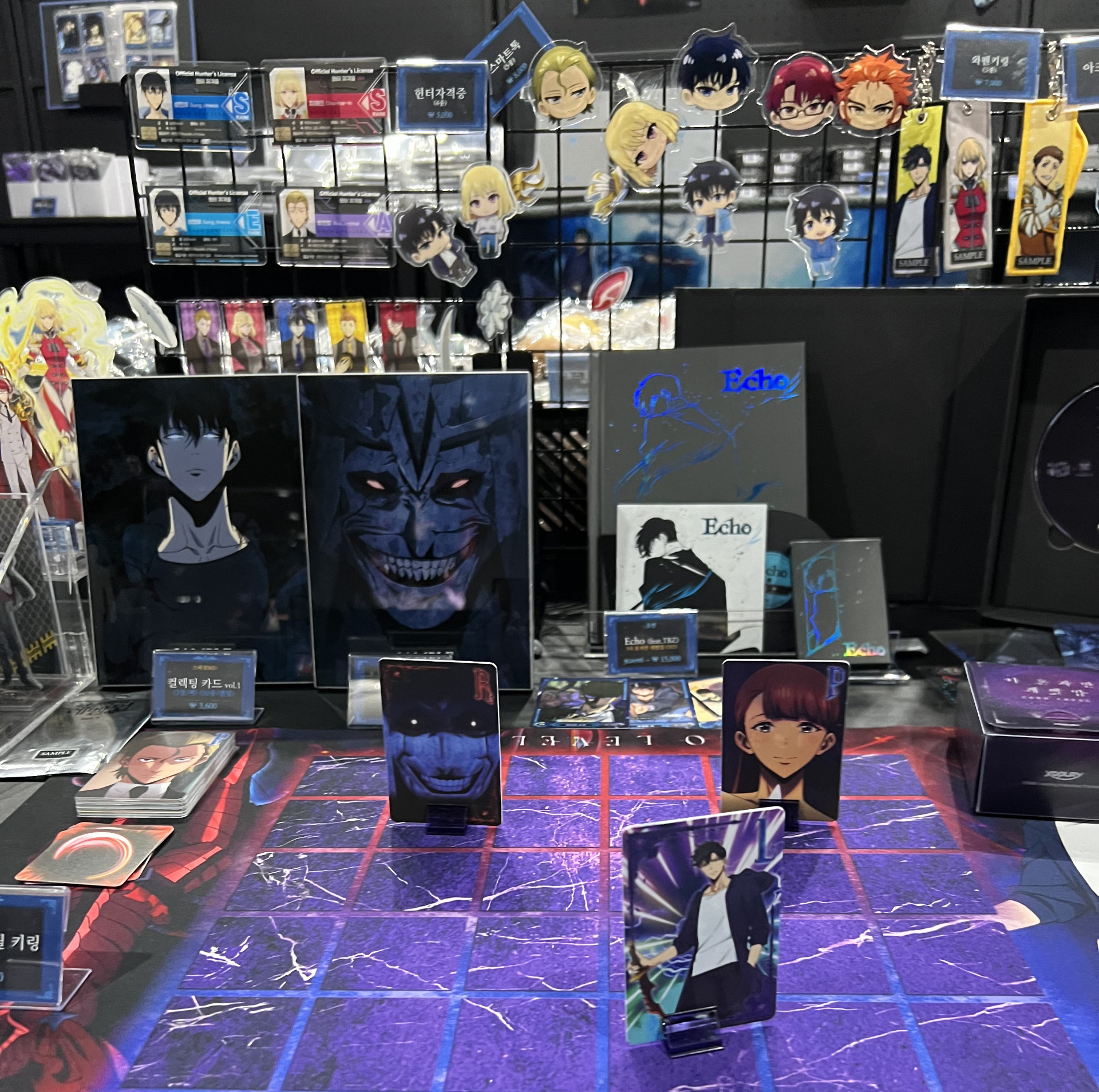
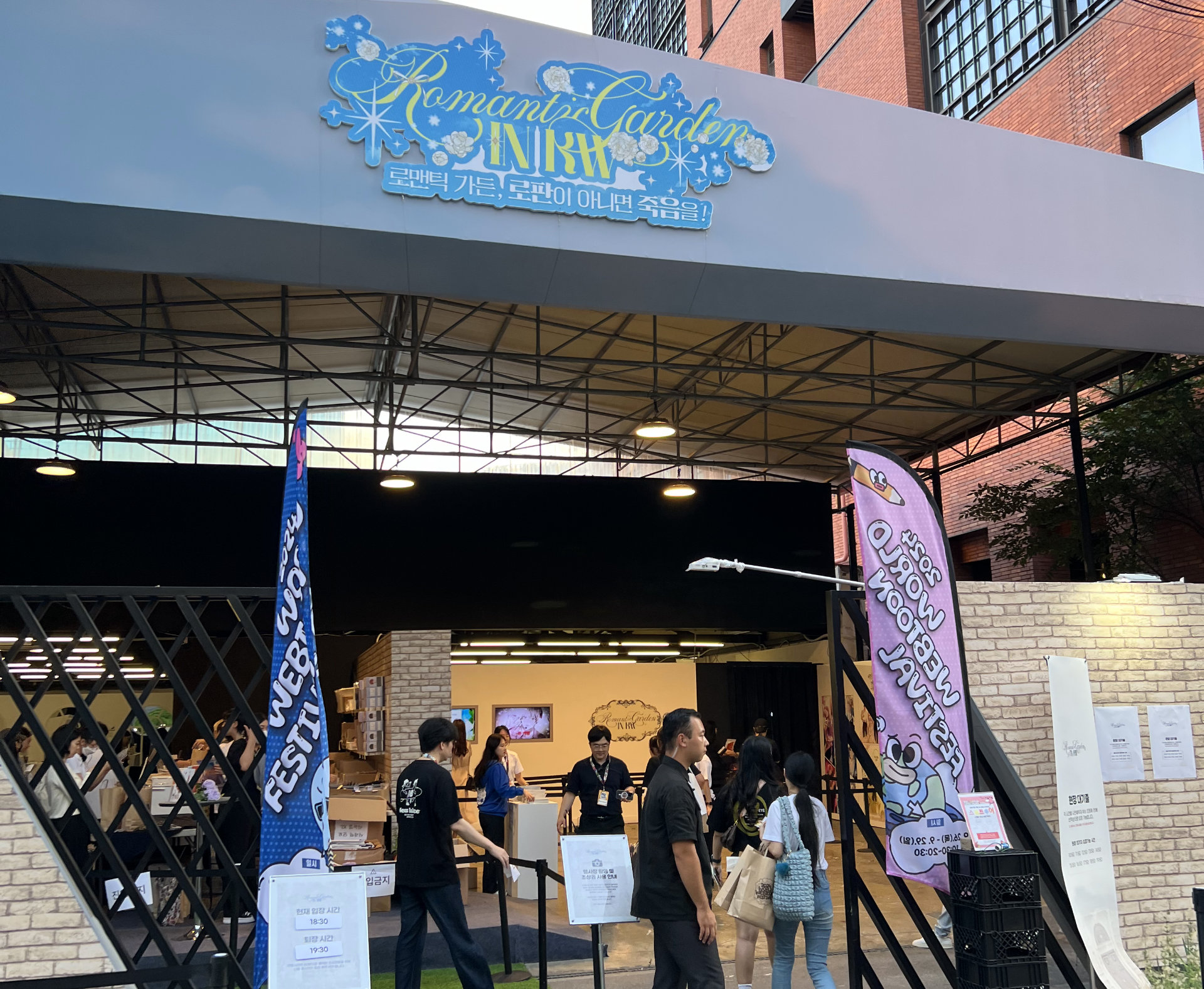
The bulk of the festival was housed in a converted multi-story factory building which housed webtoon booths, tech demo areas, a Wacom-sponsored drawing contest, and a stage for the awards. One thing that was apparent upon entry into the main building is this festival was a showcase and celebration of the successful, higher budget webtoons. Studios and publishers were operating booths, not artists, and there was no artists’ alley for up-and-coming talent.
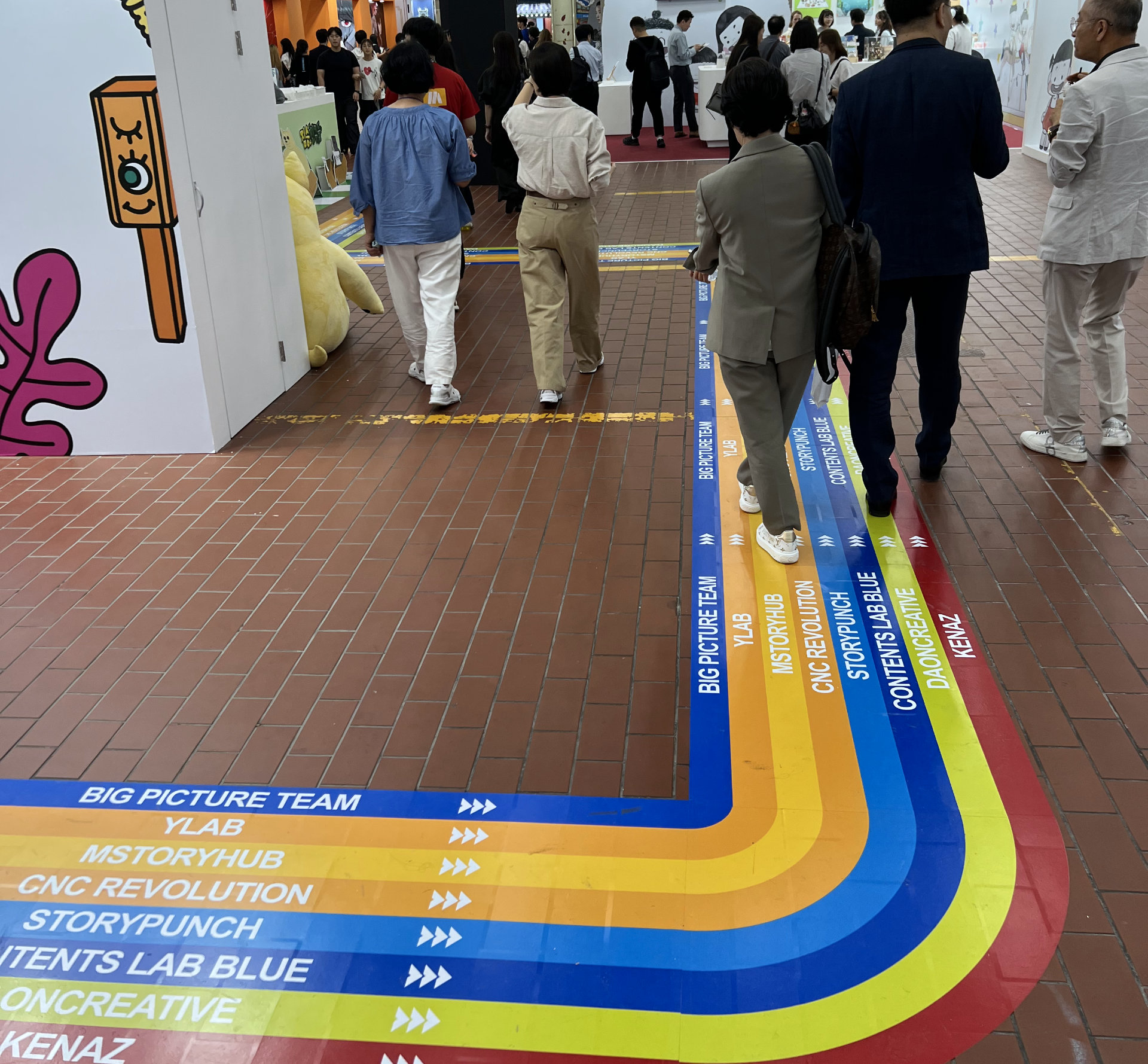
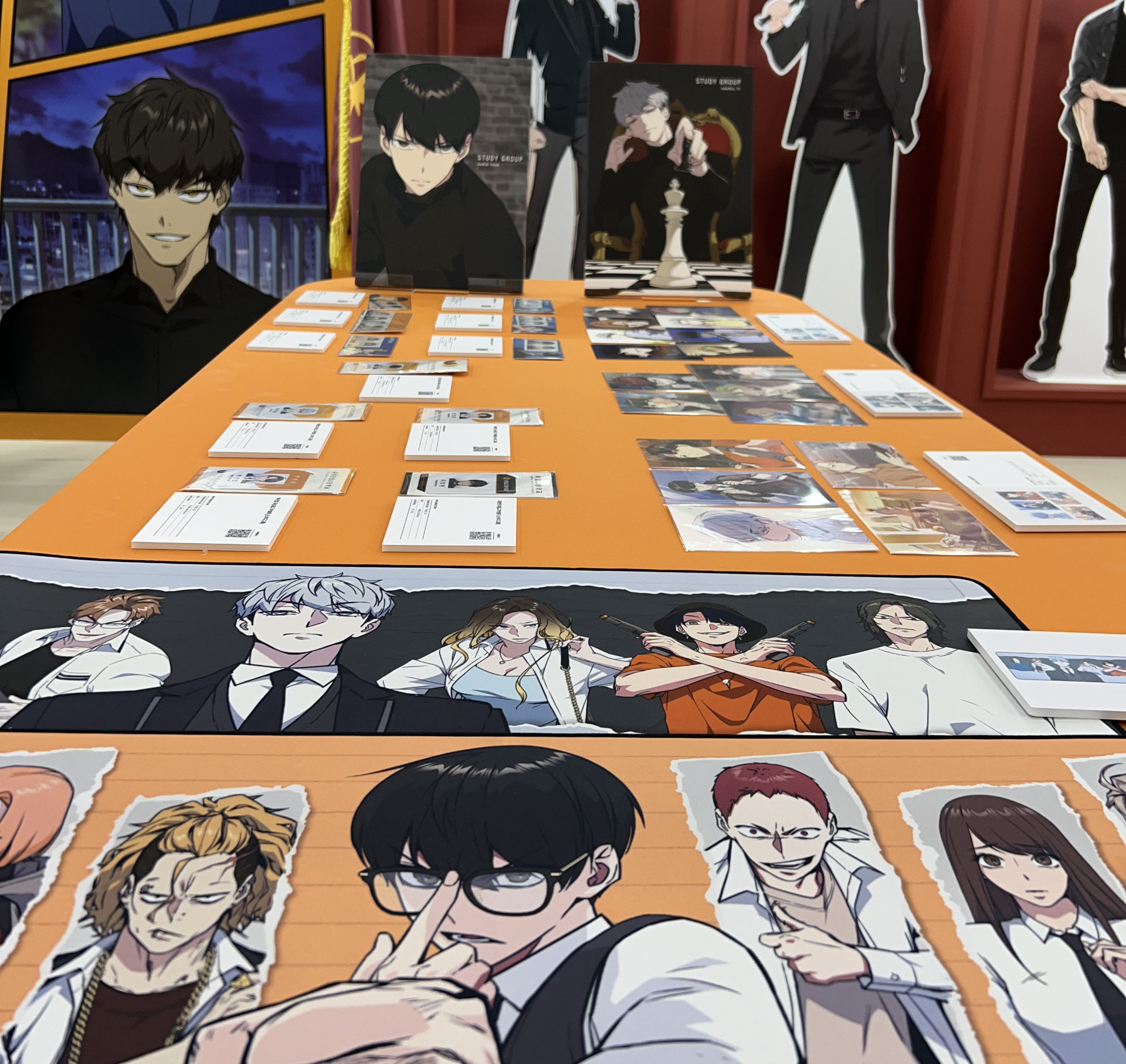

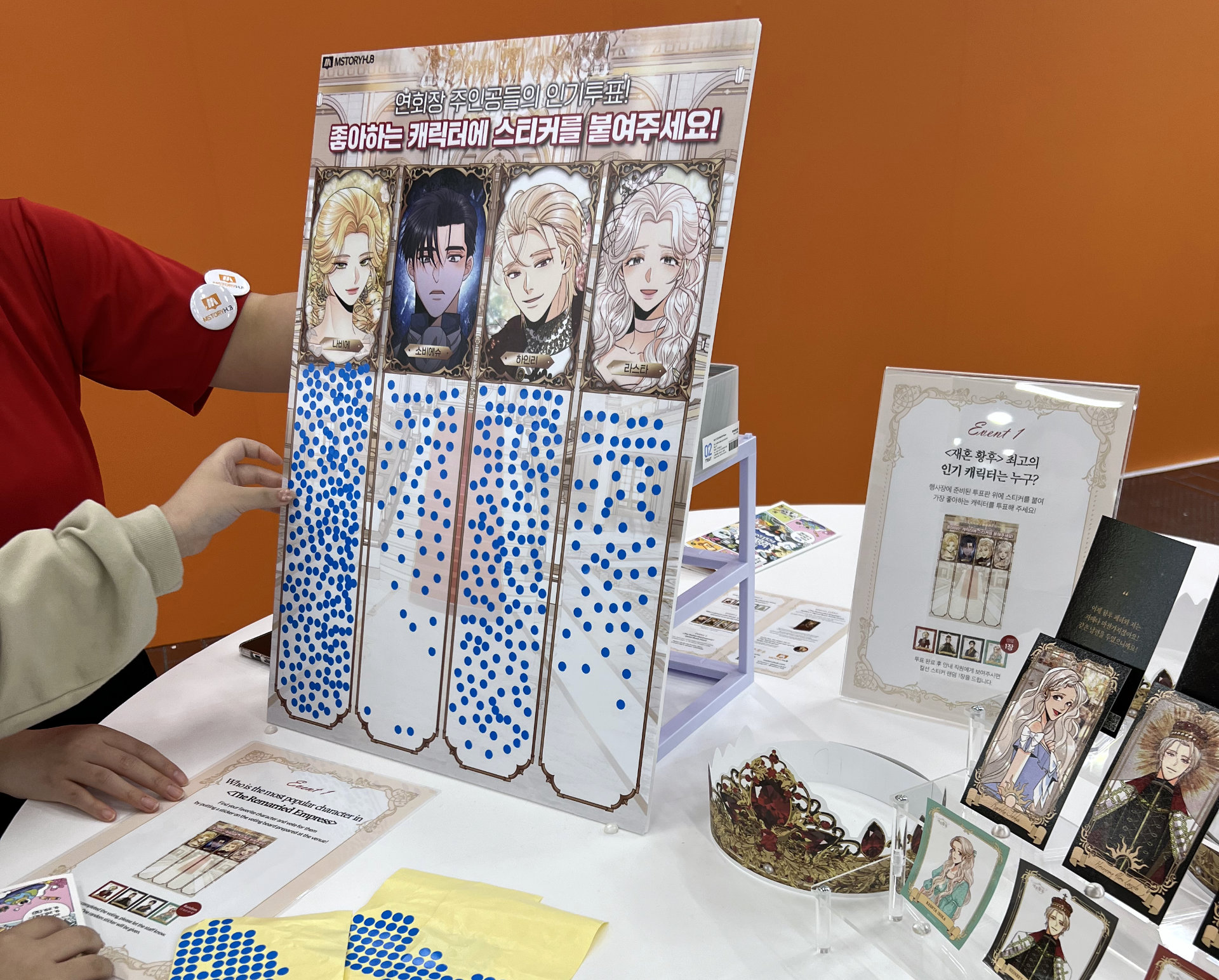
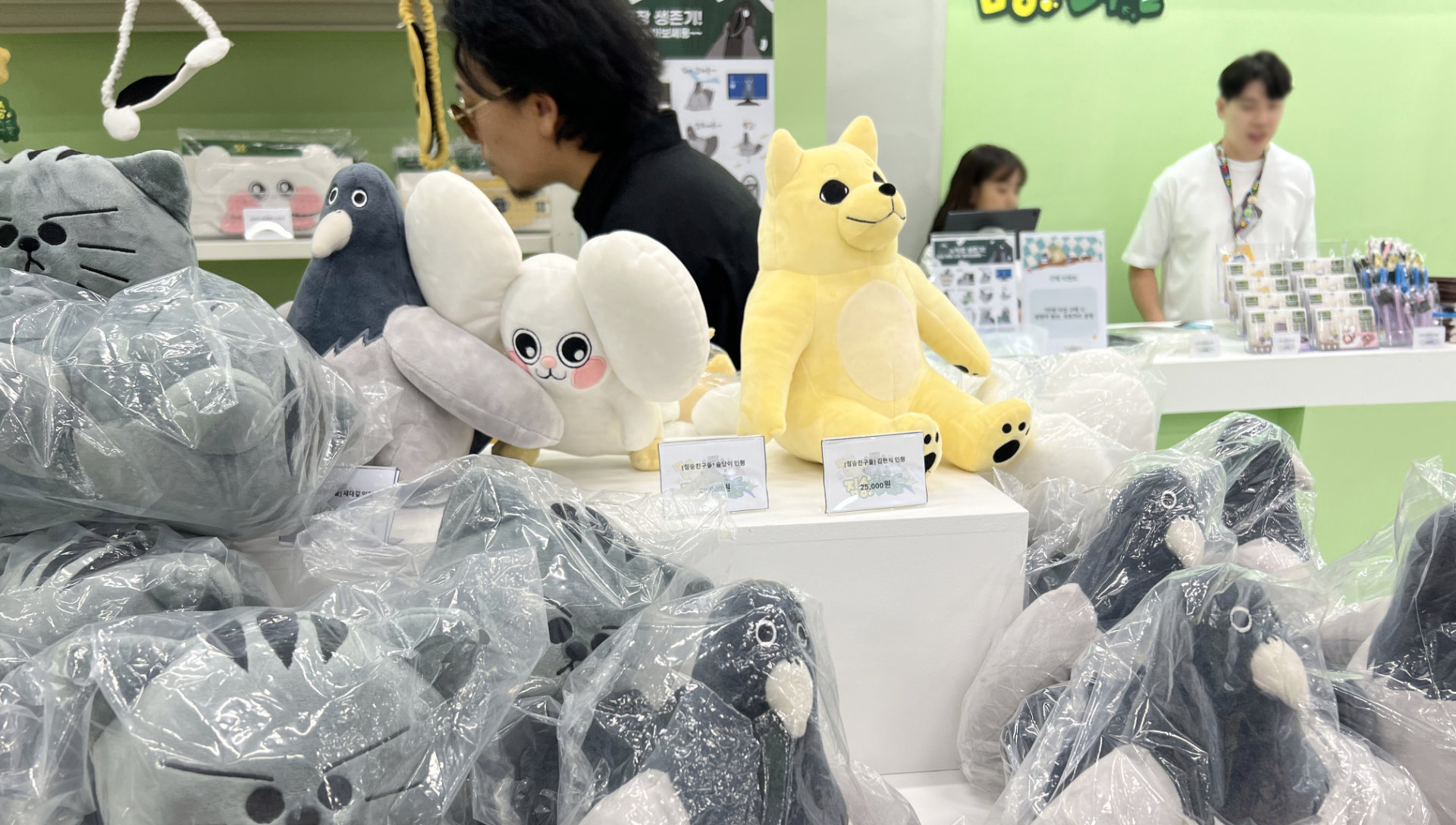
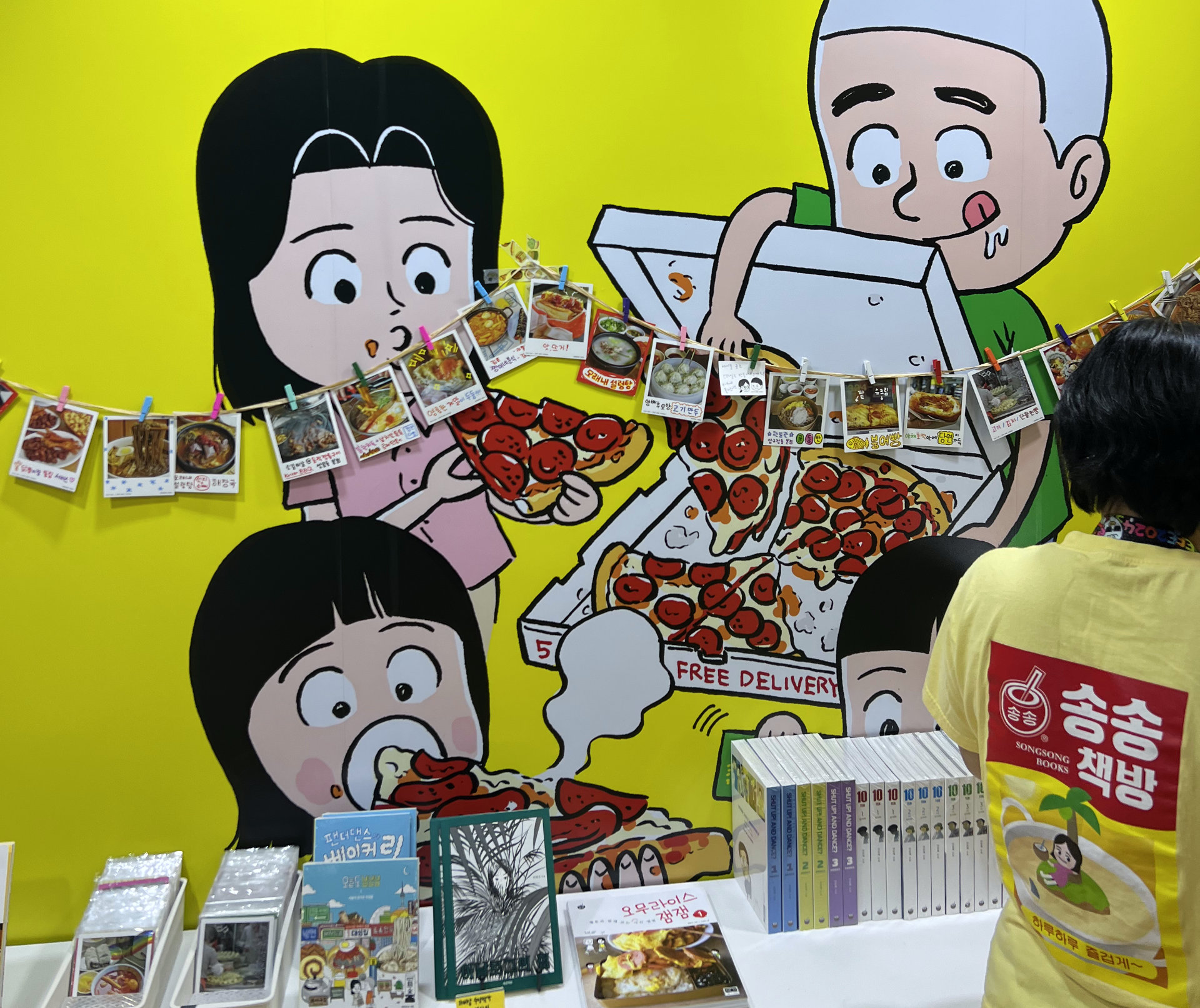
But these booths are not only promoting their webtoons, they are using this opportunity to sell webtoon-related merch.
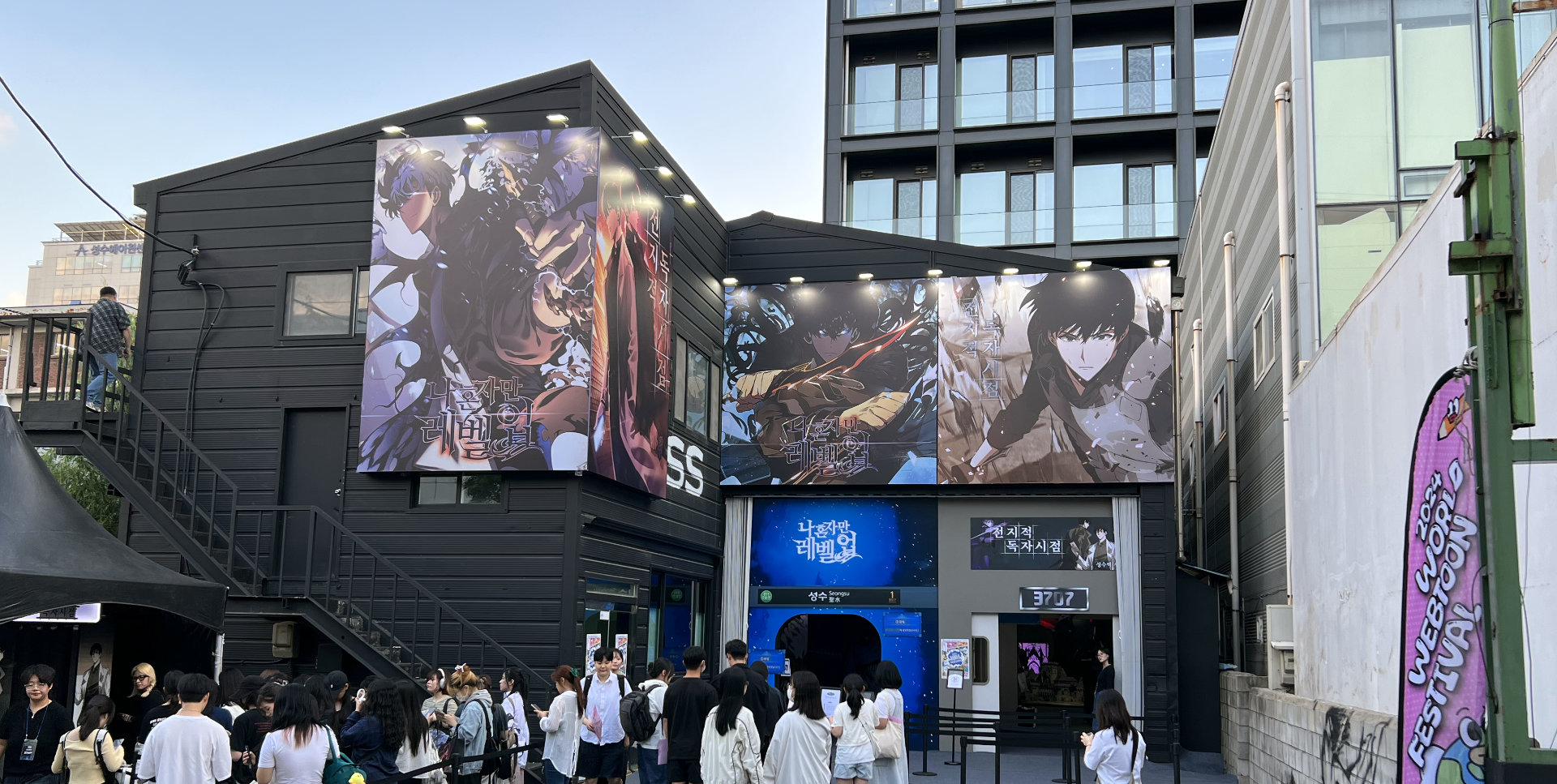
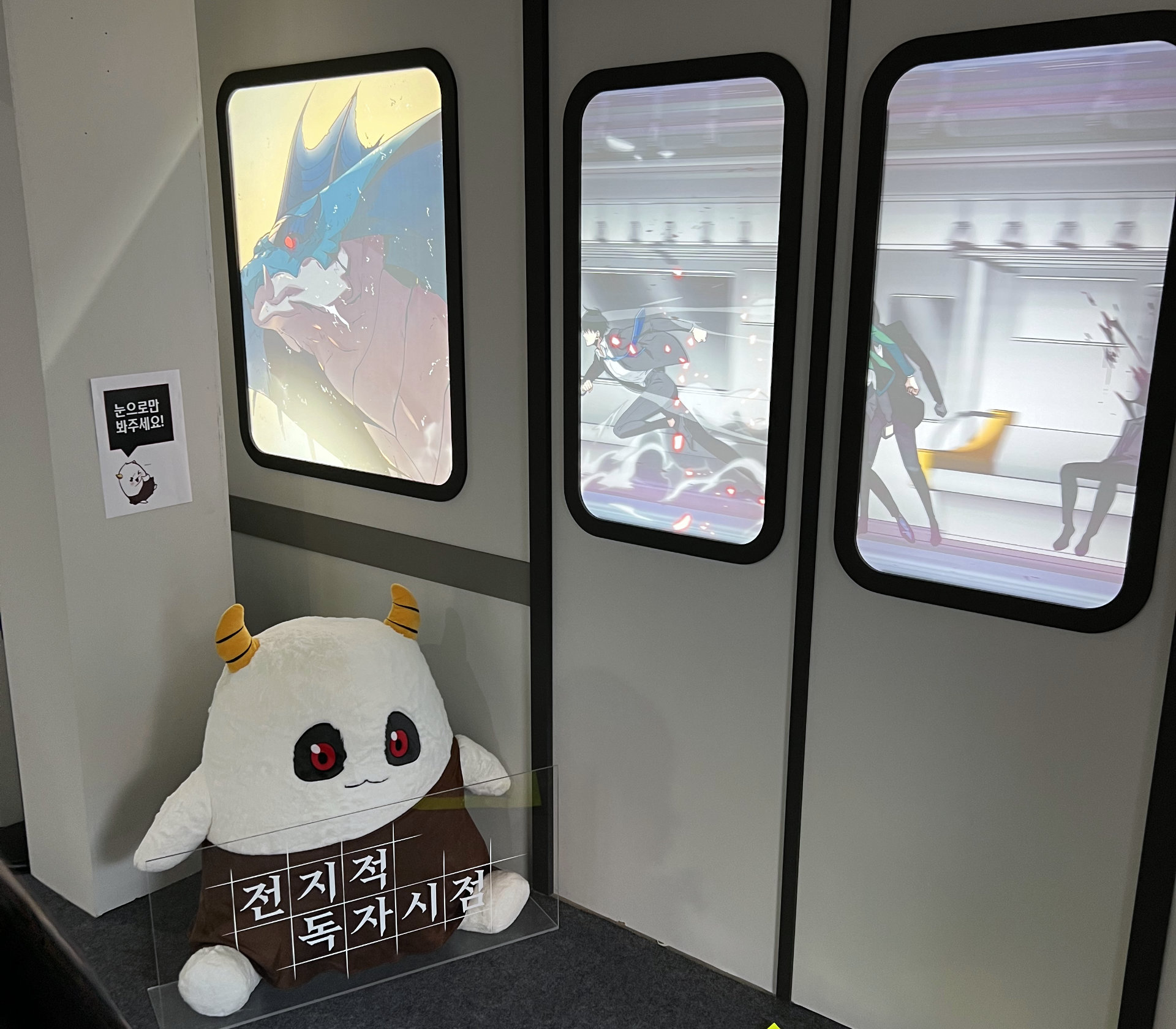
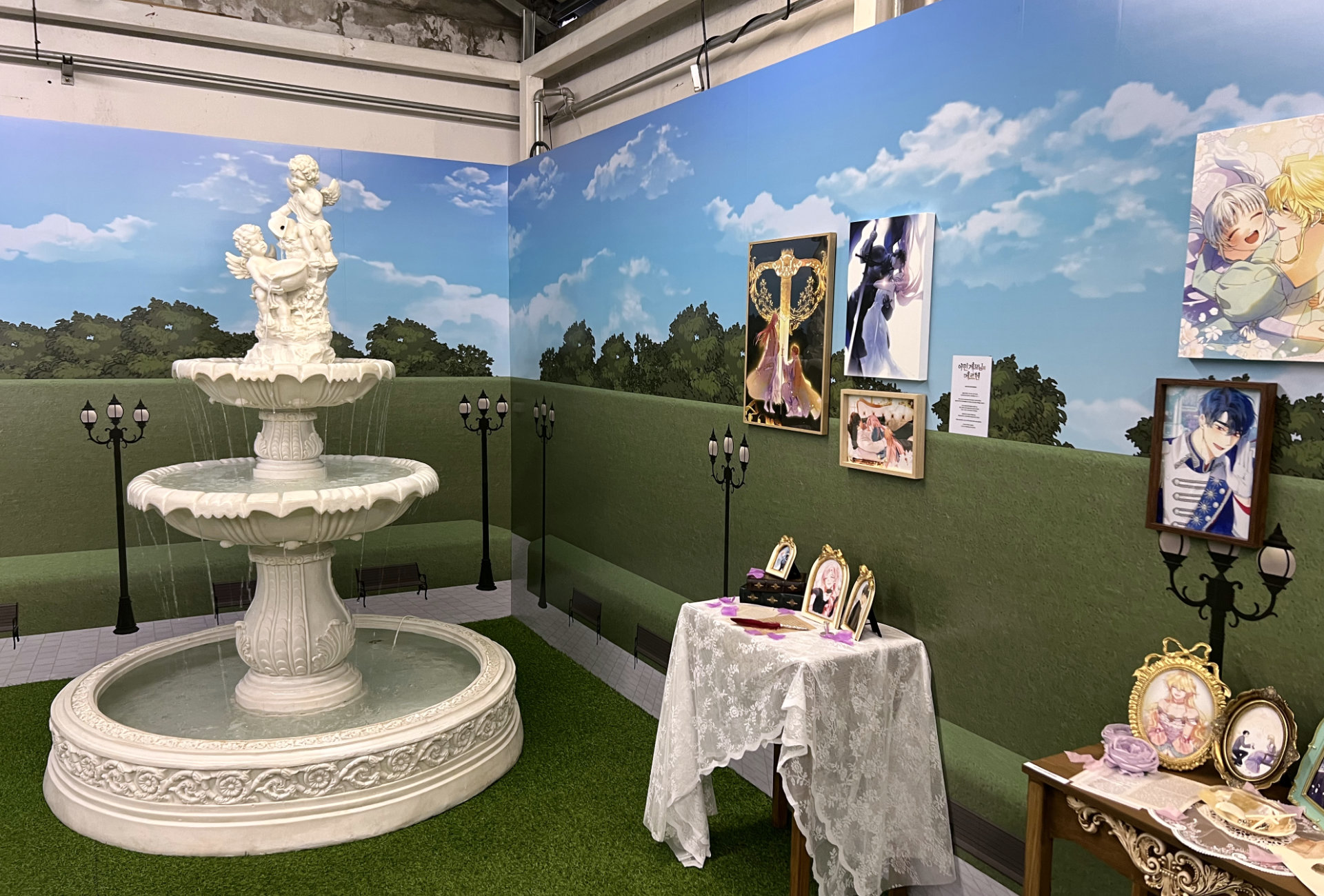
Flanking the main building were smaller standalone buildings that housed one webtoon studio each.
Industry presence and tech demos
In parallel to the booths from webtoon studios and publishers that cater to a comics-reading public, there was also a steady industry presence throughout the festival. When I stopped by on the first day I occasionally saw small groups of people in business attire who, on more than one occasion, were leading an older executive around through the various booths. Within the three-day lineup of talks, there was one standout industry panel on “K-Webtoons in the Spotlight of Hollywood.”
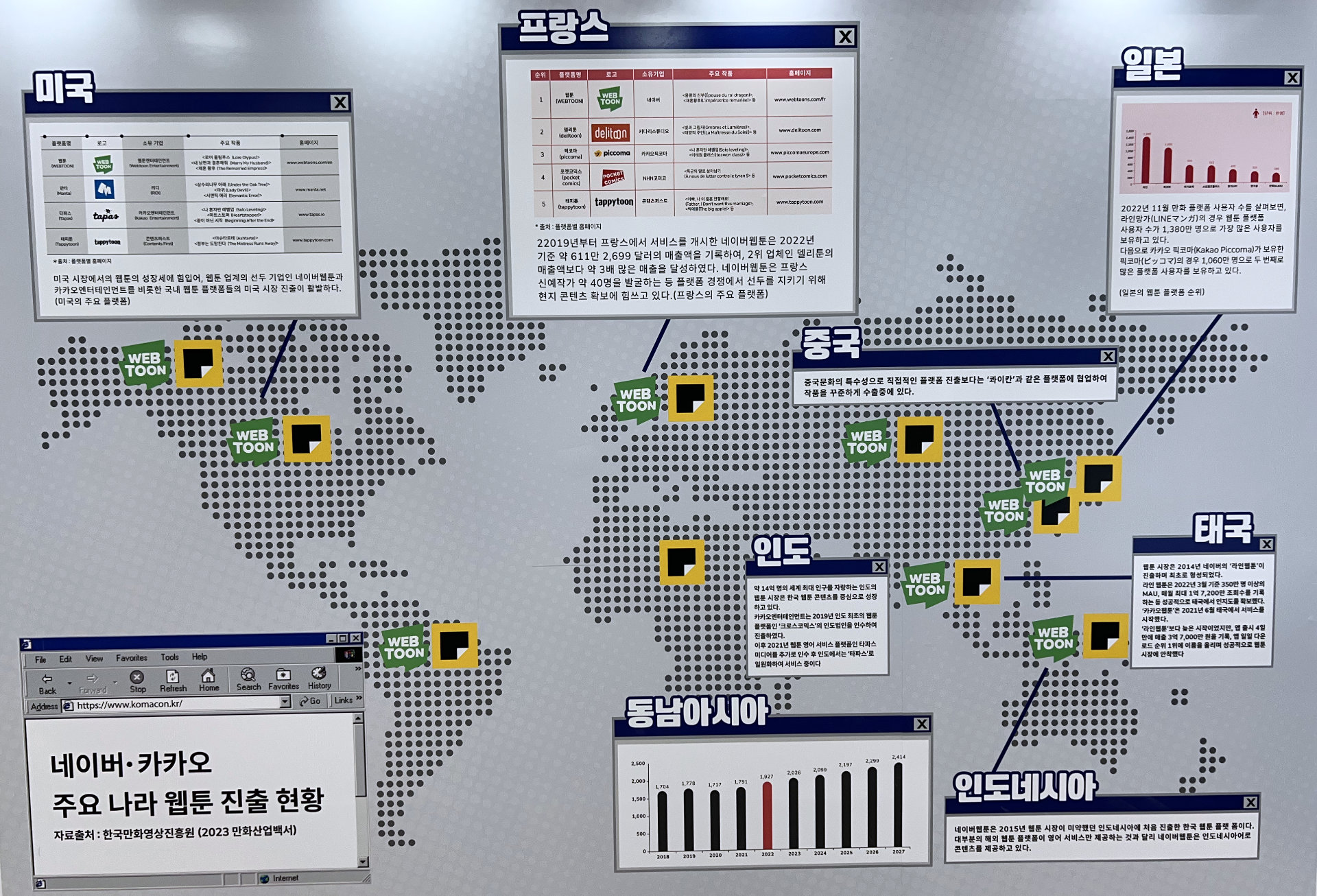
A few industry bodies had their own booths as well, such as the Korean Manhwa Contents Agency (KOMACON) and the SangSangBiz Academy. The map below was on display at KOMACON’s booth: the green and yellow icons stand for Naver Webtoon and Kakao Page respectively, and together they show the dominance of South Korean webtoon platforms across the world.
Meanwhile, both big tech platforms, Naver Webtoon and Kakao Page, built out large eye-catching booths at the festival, though they were devoted to demonstrating their latest technology—a stark reminder that webtoons is both a format for comics and also a type of tech platform. South Korea’s culture minister has, after all, gone on record about building a “Netflix of webtoons” platform.
Naver advertised AI features that are built into its Webtoon app: 1) Character Chat, which allows readers to text chat with a select number of webtoon characters (chat engine powered by Naver’s HyperCLOVA X AI model), and 2) Toon Filter, where you pay a small fee to have your selfie transformed via AI into a caricature in a chosen cartoonist’s style.
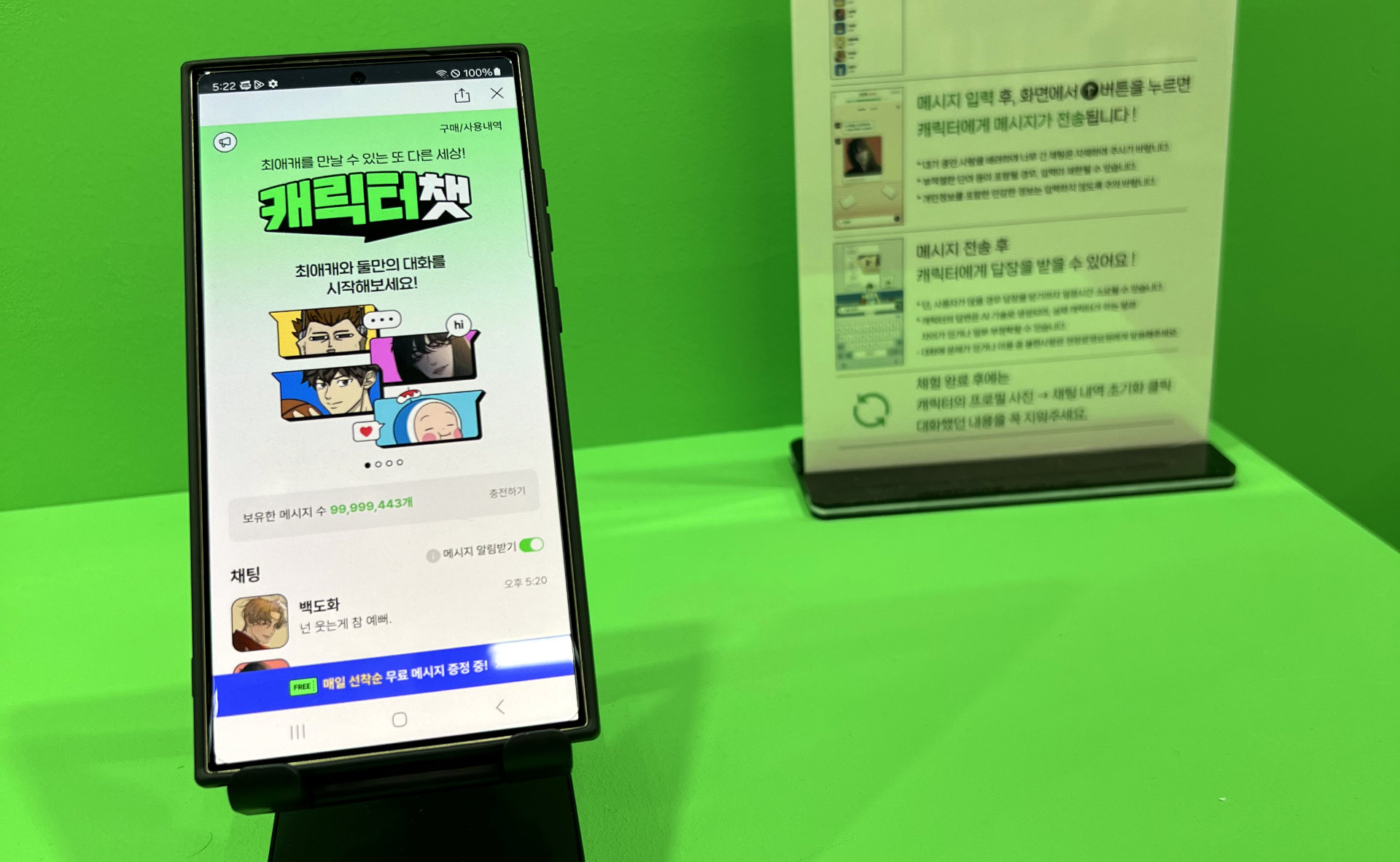
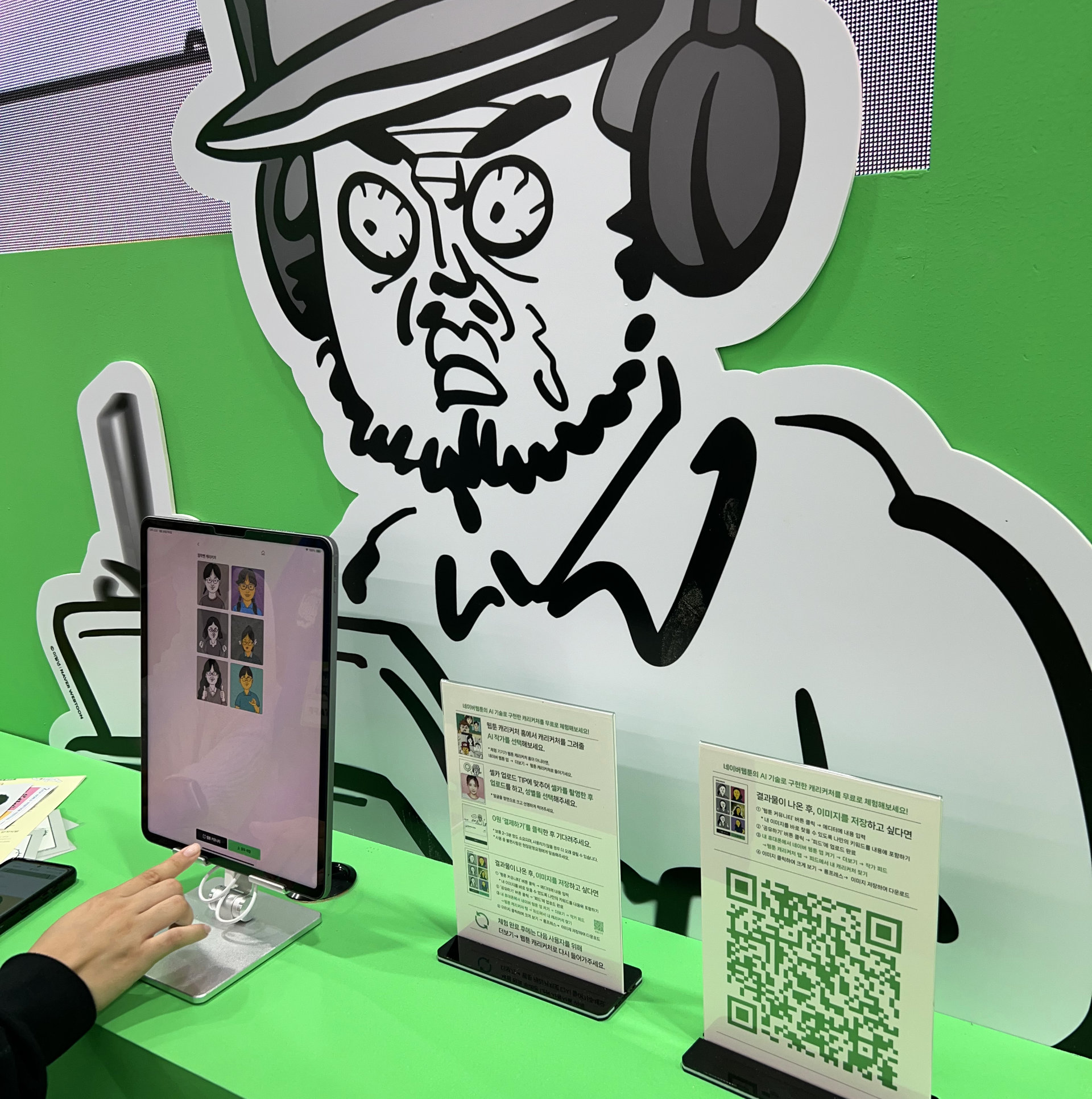
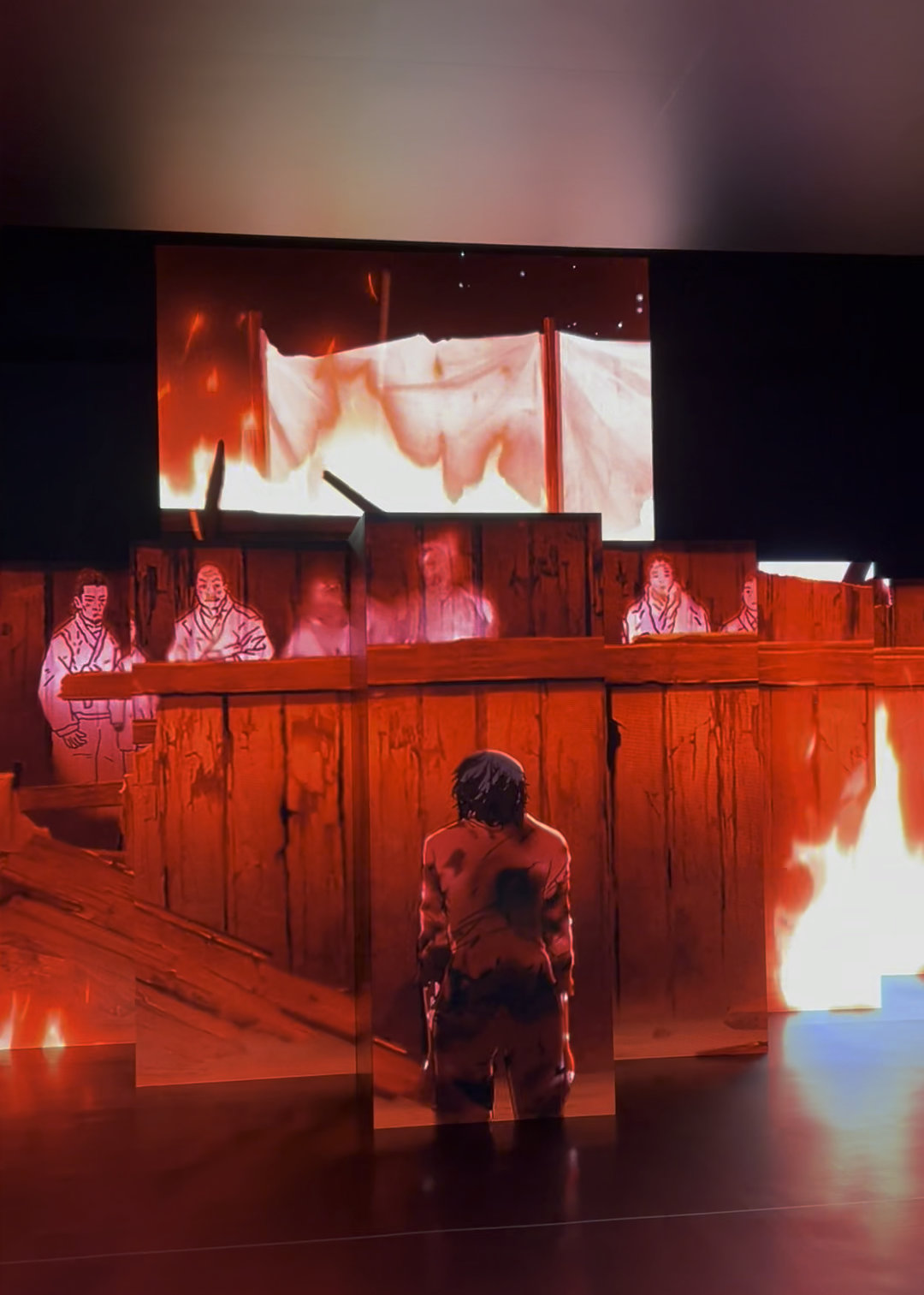
Not to be left behind, Kakao built out a roomy back area with black walls and a multitude of screens to show off its ALIVE brand of webtoon technologies. The central showpiece was a flashy multi-screen animation:
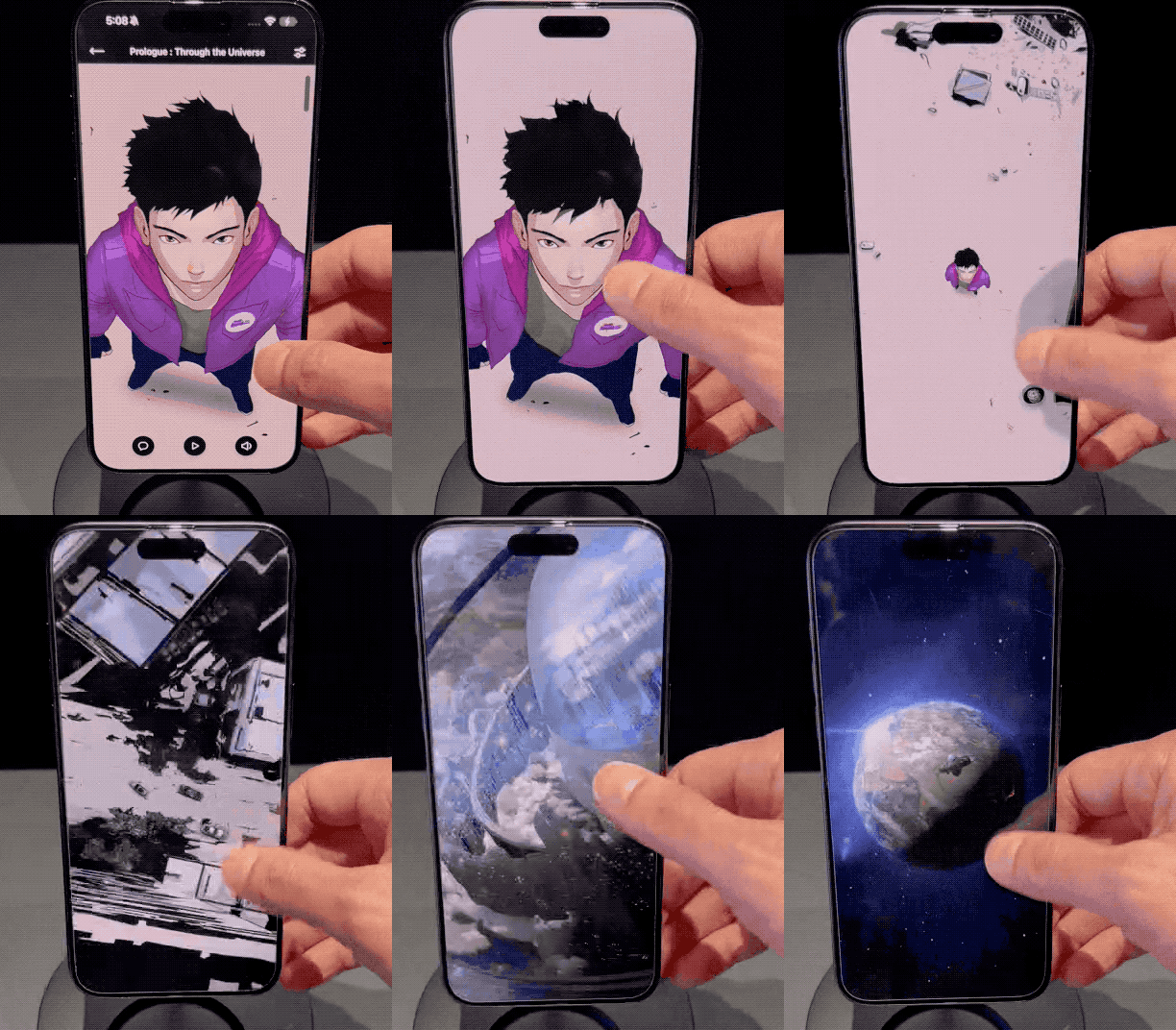
Phones on the side were loaded with demos of the ALIVE viewer, which adds animation, page transitions and sound to the webtoon as you scroll:
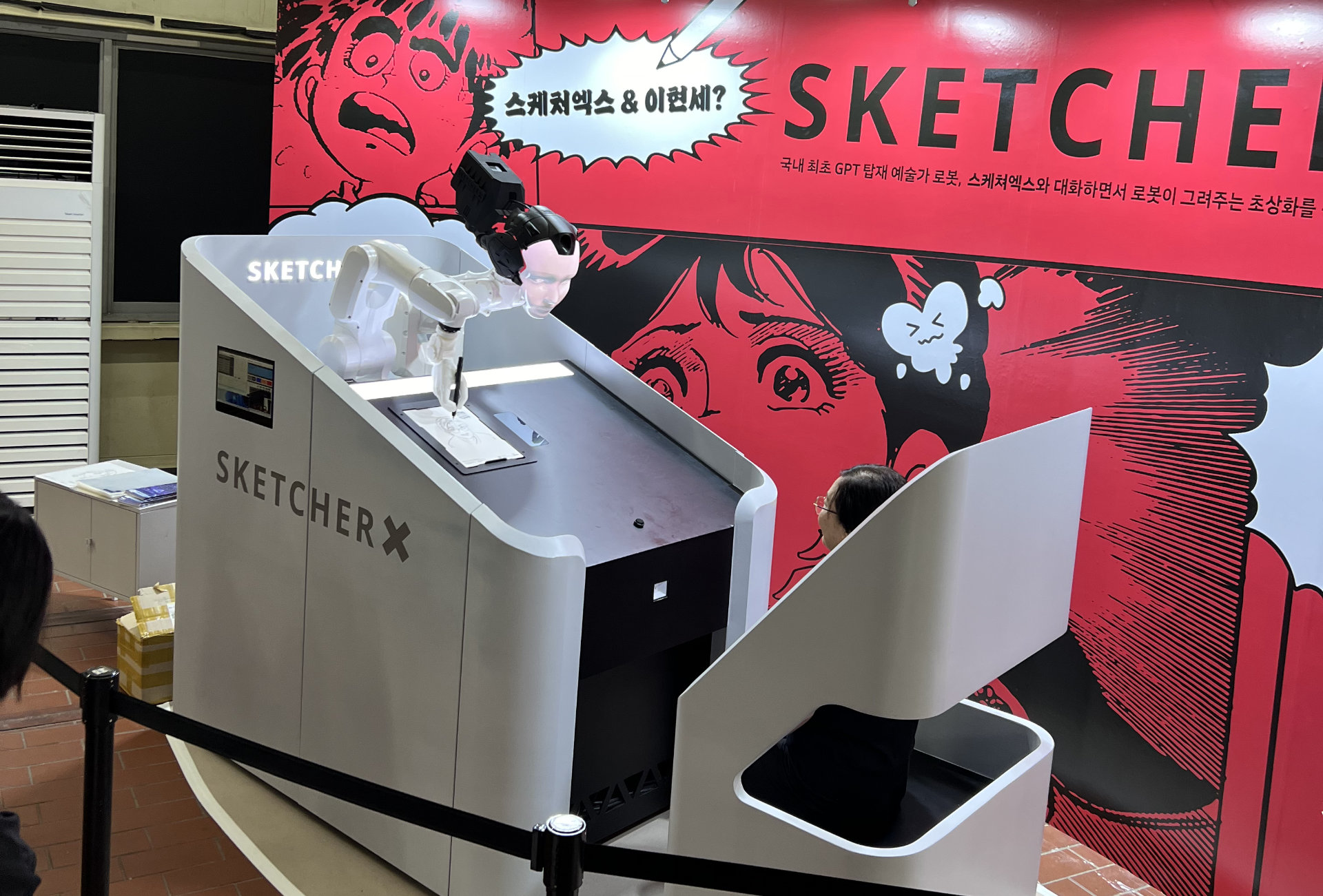
Though Naver and Kakao weren’t the only ones with tech demos. My personal favorite was a caricature-drawing robot made by XORBIS, an exhibit design company. Its name is SketcherX, and it is an AI-powered live-caricature robot, which has a movable head that turns to look at the target and eyes that blink.
World Webtoons Awards
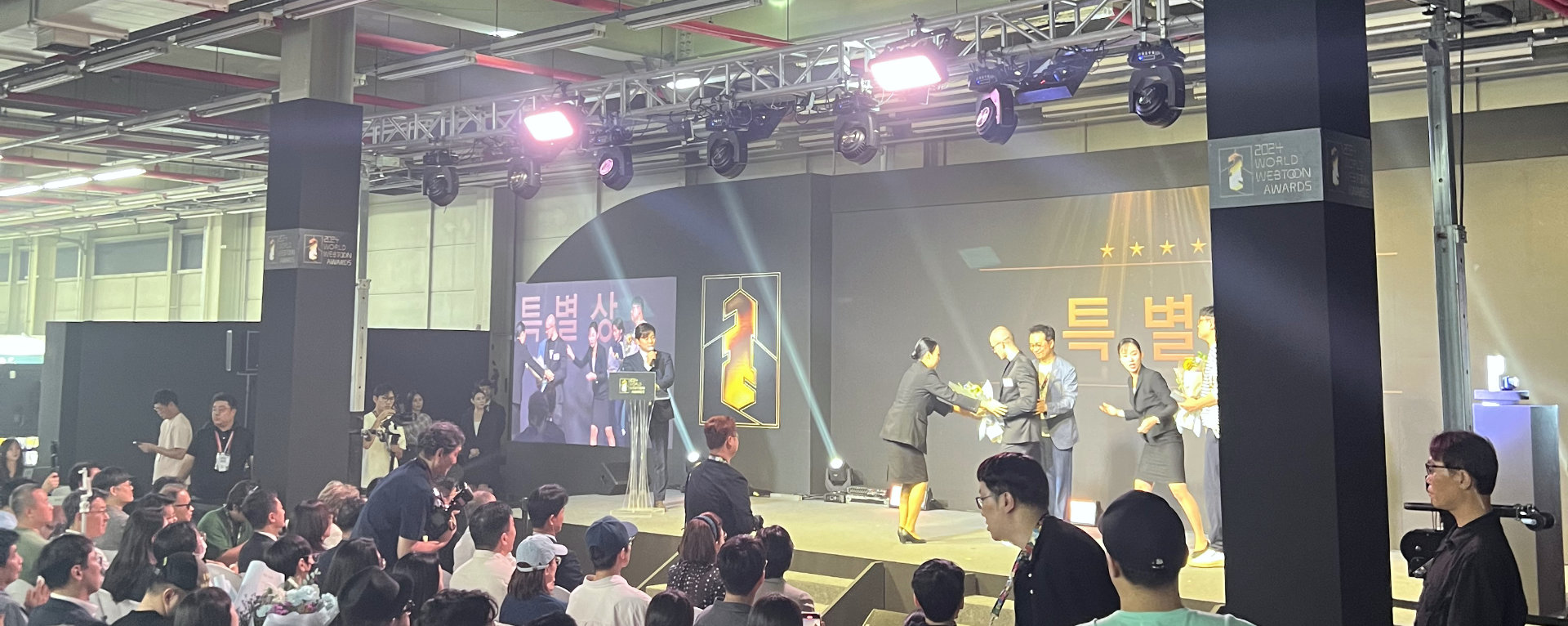
Then of course there was the ceremony for the first edition of the World Webtoons Awards. Among the dozen or so prizes, the biggest honor and grand prize went to Solo Leveling—a victory lap for the local industry since the massively popular webtoon series wrapped in 2021 (though its sequel and animated adaptations are still ongoing). Given that the awards were celebrating past success however, I would’ve expected the overseas award to go to the three-time Eisner winner Lore Olympus (written and illustrated by Rachel Smythe). Instead, the inaugural international award went to Tomahawk Angel (written and illustrated by Odysseas Theodoratos), an ongoing post-apocalyptic horror-action series.
Final thoughts
South Korea is keen to stake its claim to the webtoon format, and this festival is one of the major efforts by the government to boost this effort. As Variety reported early in 2024, webtoons is a big cultural export for the country, and is a burgeoning though lesser-known part of the global K-wave phenomenon. In spite of what the press releases might have us believe, the World Webtoon Festival is actually not the first major international webtoon festival in South Korea—the Busan Global Webtoon Festival was held for the eight time in 2024, though it too hasn’t made any headlines in the international, English-language sphere either. (Granted, the Busan festival’s government backers and organizers are admittedly much smaller regional players.) Only time will tell if either festival will grow into a prestigious, globally recognized and attended event, but given the country’s devotion to the webtoons medium, I’d be willing to bet that the future Cannes for webtoons will make its home in South Korea in some shape or form.
A version of this article was originally published on the Cartoonist Cooperative Journal.